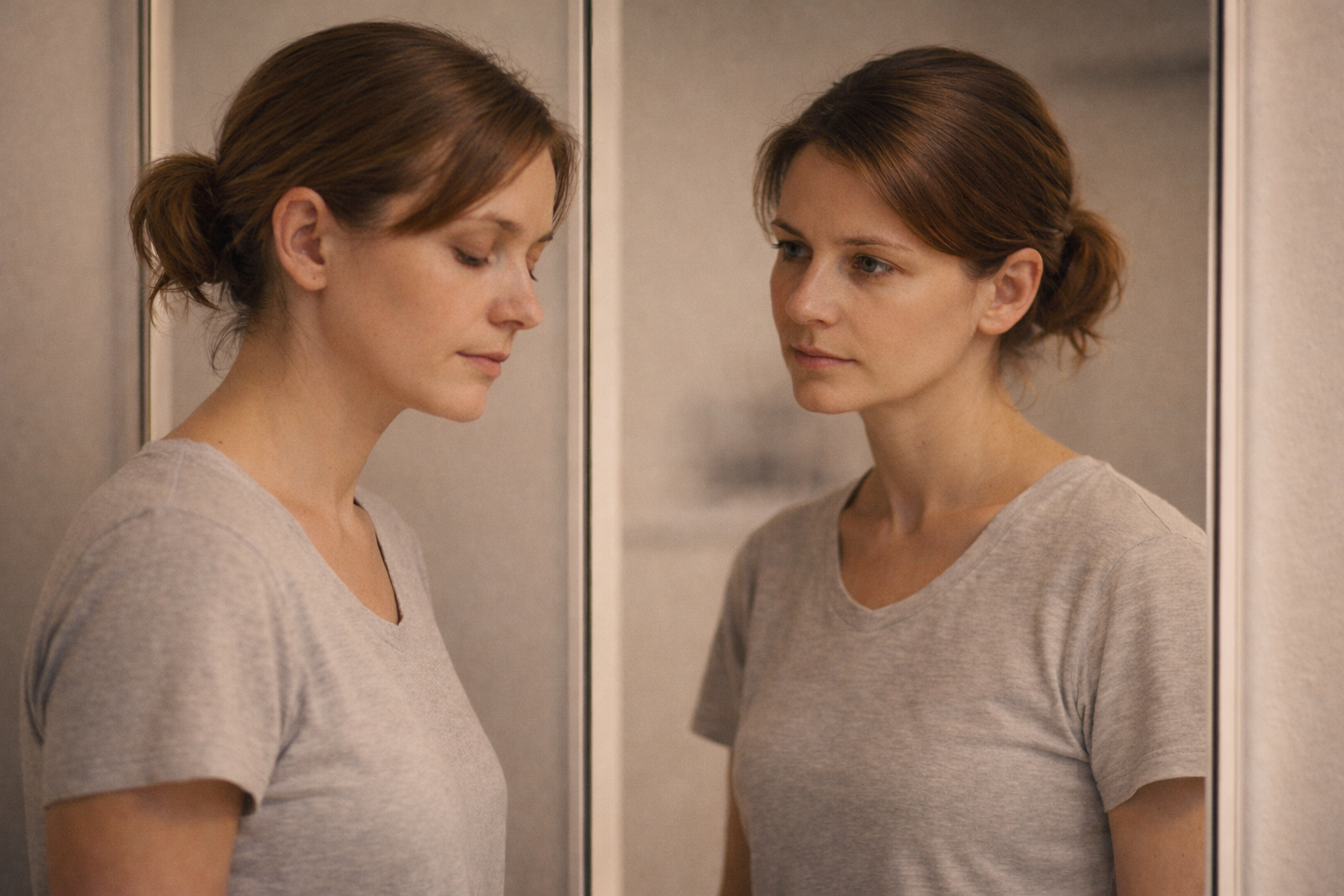
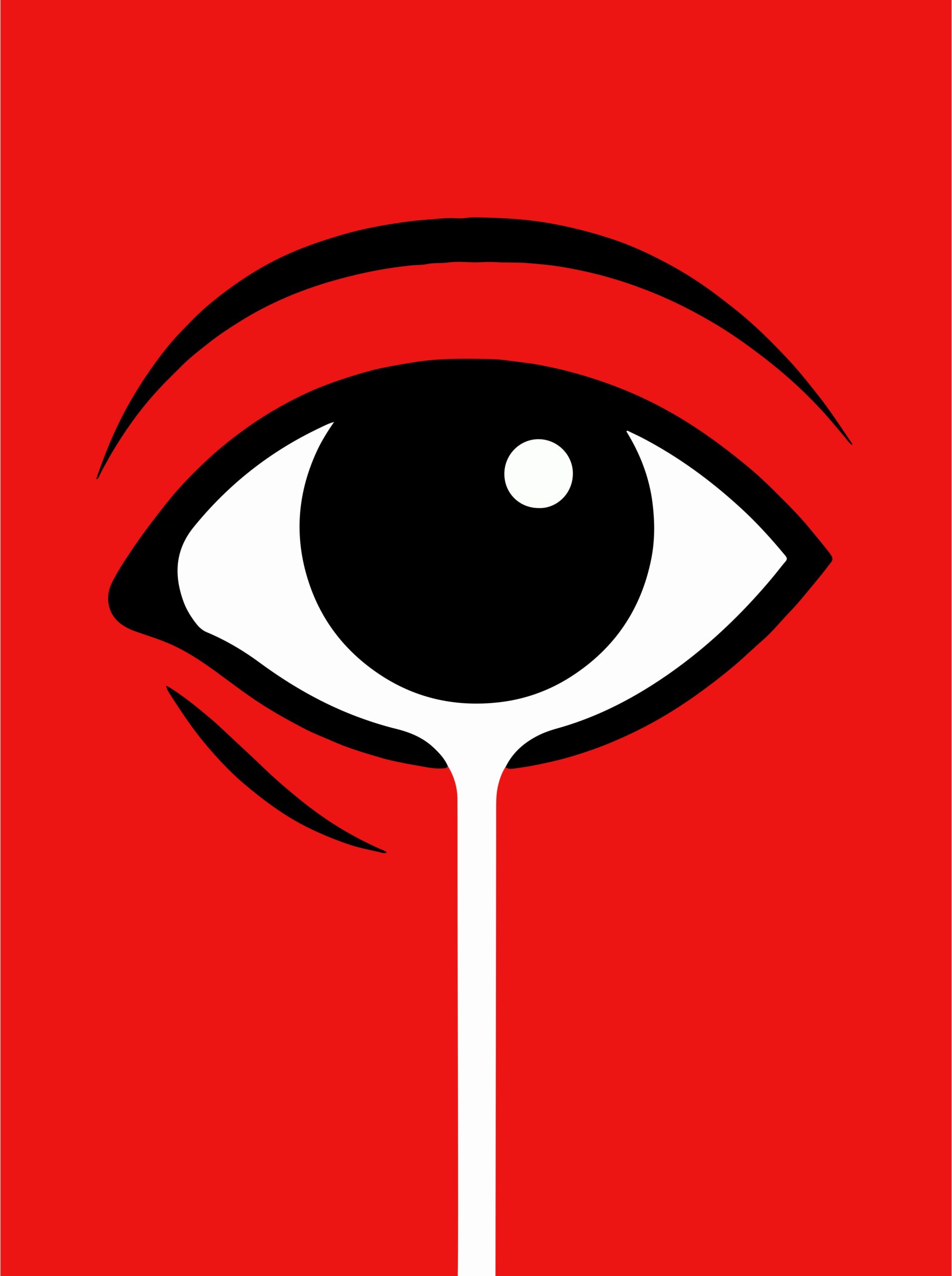

verb: to produce tears as the result of a strong emotion, such as unhappiness or pain; to call out loudly; noun: a loud, high sound that expresses emotion; a shout made to attract people’s attention; the noise that a bird or animal makes; a period of crying
Prefer listening to reading? Just click below.
When was the last time you cried? Are you one of those people who cries over anything and everything, or who never cries? Well, they say “I never cry”, but of course they occasionally do: even if it’s only when a very small insect decides to fly into their open eye!
Setting foreign bodies and biological defenses aside for now, we can cry over just about any emotion. Tears of pain, tears of joy… as Simba sang in The Lion King 2. Crying isn’t just about tears, though. We can cry without a drop of liquid escaping the confines of our eyes. Granted, this sort of cry is more akin to an exclamation than bawling like a baby, but these two acts do have more in common than just sharing a word in the English language…
To let out a cry or to begin crying are both means of expressing feelings. Even crocodile tears express feelings, though the individual in question isn’t actually experiencing them. Sometimes crying is primarily a release for the individual, other times it’s to bring the feeling – or strength of feeling – to the attention of others.
It does you good to cry, sometimes. That must be true because Mum told me so! Whether or not you’ve the good sense to heed Mum’s wisdom, I’ve heard numerous experts with various qualifications and titles say something similar. They say “it’s good to cry” or sometimes “it’s ok to cry”. I wonder: why do we feel we shouldn’t cry in the first place? I know some people don’t mind, but loads do. After all, no one wants to be a cry-baby, do they? But where did that idea come from? Why did a certain portion of the populace start to associate emotion with weakness? Is it simply the loss of control? After all, once you start crying, it can be very difficult to stop until you’ve cried yourself out…
I can certainly see the association between self-discipline and strength. But to consider strength of feeling – passion – as weakness? It can be, I suppose. If you care, you can be hurt. But passion is also strength. When we care, we accomplish so much more than if something were meaningless. We try harder, our bodies give us more energy, our minds focus more easily, and I haven’t even got as far as motivation! But that’s another word. Is it really wise to stifle our tears and muffle our cries? To hide when we care, to keep our emotions under lock and key?
What are the advantages and disadvantages? If we constantly hide how we feel and how we think, nothing changes. Or rather, we change nothing. Circumstances around us can still change and affect us. We’re just letting the tide take us where it will, rather than attempting to navigate or steer. Fine for exploration, or for staying as close to your original point as you can for as long as possible, but to achieve something specific? To do what you want to do, to be who you want to be? If there’s anything at all you want from life, I’d call releasing the helm of your metaphorical life-ship nothing short of foolhardy…
I fear I’ve taken up a rather larger portion of your day than intended, dear reader, but there’s no use crying over spilled milk… and there’s certainly no point in thinking too much!
If anything in this post gives you an urge to cry out, feel free to do so in the comments; if the thought of missing a post reduces you to tears, you can subscribe to our newsletter to be notified whenever there’s fresh content, or make a small contribution to offset running costs and keep our blog online.
Even modest contributions offset running costs and keep our blog online.
+ Or Click Here to choose a different amount
Subscribe to be notified whenever we publish a new post. No fees. No fuss. No spam.