
noun: fold, verb: fold
Prefer listening to reading? Just click below.
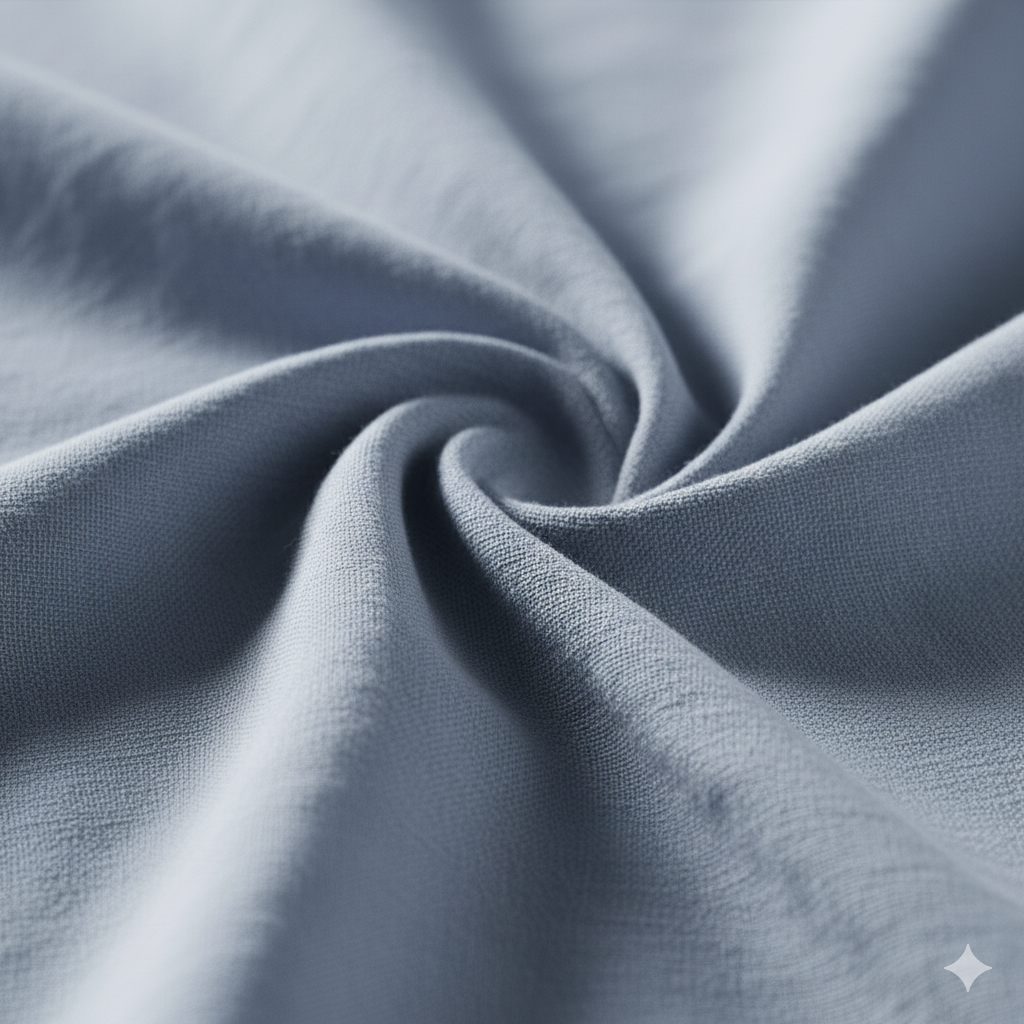
We don’t like creases, do we? Culturally, I mean. Yet, they’re something you find almost anywhere you look: those clothes you have yet to/no intention of ironing, that screwed up tissue in your pocket, that crumpled piece of paper over there, or even the lines scoring the faces around you.
I say we don’t like creases because why else would we invent irons, or all of those wrinkle reducing creams promising a more youthful appearance? We like things to look new, unsullied, even if that appearance is utterly misleading…
On this point I cannot help but ask every parent and teacher’s most dreaded question: why? Why do we wish to be seen as youthful? Why do we, as a society, associate youth with beauty? Is it not more engaging to have experienced life, to have gained some modicum of wisdom and insight along the way? Why do we prefer to trust an untested item, rather than one which has already proven its usefulness and reliability?
I will concede it makes sense with certain objects: a piece of paper is tricky to write on if it’s scrunched up, and I won’t go into details of why a used tissue is unappealing!
But what about a crumpled shirt? Social engineering? The prestige and status of owning new things? The assumption that “fresh out of the box” is going to be spotless and in perfect condition?
Maybe that’s the answer to cosmetic creams, too. Perhaps our historic objectification of women and our ongoing fascination with superficial beauty has led to this deep-seated association between “youth” and “beauty”. Or perhaps the answer is more simple than that: maybe it’s simply the biological side of things and when people find it easiest to make babies? Six of one and half a dozen of the other…?
There are, however, a few issues with the blanket assumption “we don’t like creases”, as there are with most blanket assumptions in my experience… Creases on a cricket pitch and ice hockey rink are a necessity: a point in favour for fans, though another negative for those bored to tears by these sports! But we don’t have to change the subject quite so dramatically to find another, more flattering take on the word “crease”…
Going back to the theme of faces, what about laugh lines? Who doesn’t want to be around good-humoured people? Surely the ones who laugh the most are among the most likely to make you laugh. And who hasn’t heard the expression “creased with laughter”? Surely this can only be a positive slant on a word generally associated with imperfection? Unless I’m looking at it the wrong way and laughter is an imperfection? Perhaps the ideal isn’t to be good-humoured at all; perhaps it’s to be an emotional vacuum… But that, dear reader, is not a conversation for this post. Maybe another time.
I shan’t keep you any longer; unless, of course, you wish to stay and comment on the last thing that made you crease with laughter? As long as you don’t think too much about it, of course!
If this post creased you up and you’d like to subscribe to our newsletter, leave a comment or support our work, please see below.
Even modest contributions offset running costs and keep our blog online.
+Or Click Here to choose a different amount
Subscribe to be notified whenever we publish a new post. No fees. No fuss. No spam.