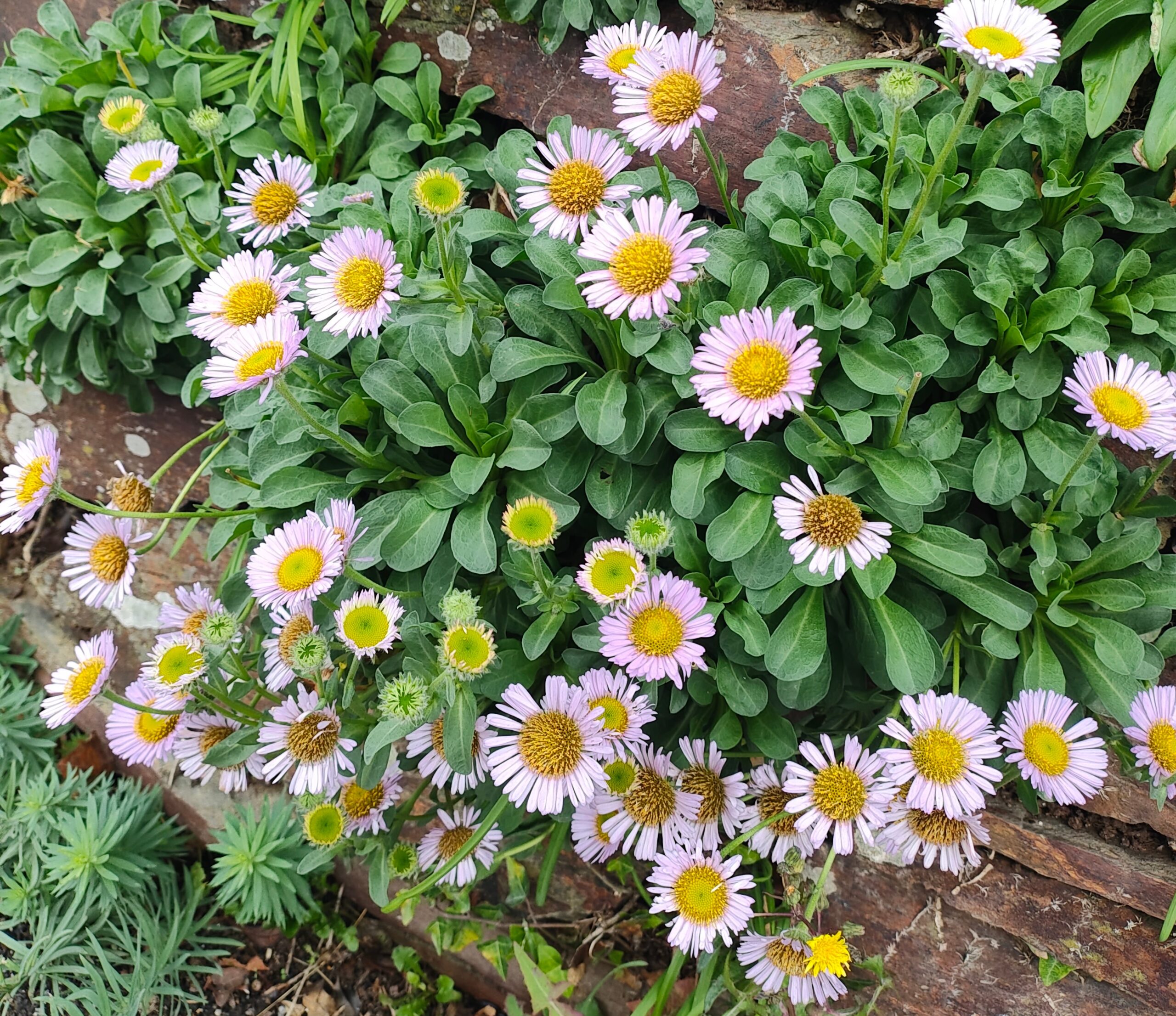

noun: the part of a plant that is often brightly coloured and has a pleasant smell; verb: develop
Prefer listening to reading? Just click below.
Flowers are beautiful. They smell nice. People wear floral print clothes, adorn their homes with objects patterned after flowers, and perfumes are made to emulate their smell. Bouquets of flowers are commonplace at weddings and funerals alike, and are extremely popular as expressions of gratitude, apology and affection: romantic or otherwise. In fact, the symbology and meanings behind different flowers (floriography) is a language in itself. A carefully considered bouquet can convey almost any message you desire – as long as the recipient possesses the relevant knowledge to understand it, of course! However, there are, as always, situations where giving a gift can create the opposite of the desired effect.
When a person does something completely out of the blue and out of character most will ask “why”? It’s not necessarily being suspicious or untrusting – it’s just human nature. Let us use an example inspired by true events: a story of a certain couple…
The pair had been together since they were teenagers and happily married for several years. The husband, while he loved his wife very much, was not one of life’s great romantics, and seldom bought her gifts. He’d certainly never bought flowers for her before. At this point in their lives he was working away and coming home at weekends. It was the 13th of February; the day before Valentine’s Day. The husband – while staying in a city several miles away – saw a bouquet of red roses for less than half price, with free delivery to boot! Smiling to himself, he bought the flowers for his beloved wife on a whim.
The wife was going to visit her husband for a change that particular weekend. He knew this: it just didn’t occur to him when he bought the roses. When she returned home to a withered bouquet, she immediately rang her husband. “What have you done!? What have you been up to!? Why did you send me flowers? You’ve never bought me flowers in all the time we’ve been together, and now you send them when I’m not even here!? Why?” Fortunately a little honesty saved the day (and the marriage). I’m sure a great many people have fallen foul of a well-intentioned gesture – or an ill-thought-out turn of phrase – being taken the wrong way. Wouldn’t it be nice if more people would at least try to understand another’s view rather than jumping to conclusions? Whether expressed verbally or by floral arrangement…
While we’re on the subject of floral displays, let us discuss a painfully obvious – if easily overlooked – reason why there are those who are less than keen, and no, I am not referring to hay fever…
When we pluck a flower, we sentence it to death. Yes, they can last a while if they are kept in water with the relevant nutrients, but without their roots, they will inevitably rot and die. Aside from their significant impact on the ecosystem, (I won’t discuss the birds and the bees here,) plant-life is still life. There are humans in this world I personally have less regard for than a flower. People who cause harm to others – who revel in cruelty – I make no apology for considering plants to be a superior life-form than those individuals. Setting aside my own view for now, there are many in this world who have the utmost respect for life in all its forms: including plant-life. The world would be, if nothing else, a far kinder place if more thought along similar lines…
Now that I’ve rambled on for some time about flowers, we come to the word’s other meaning. “Flower” can be used to describe development, growth and change for the better. Usually it would be used to describe a visible, significant change. There is no ambiguity here: if something or someone flowers it is, by definition, a positive thing. “Change” can be for the better or make things worse – whatever Rafiki tells you! “Different” is another neutral term; even “growth”, while usually a good thing, can have negative connotations (e.g. a cancerous growth).
“Flower” is one of the few words in the English language which, across all its meanings, is an objectively good, positive thing. Yet we seem compelled to find a cloud to go with the silver lining don’t we? Even if there’s no direct connection to a negative, we’ll create one. Hay fever, gifts gone wrong, association with grief, the list can be as long as we choose to make it… Or, we can take things as intended and appreciate “flower” as a good, wholesome, positive word – whether the noun or the verb. And we can all benefit from a little simple, clear goodness now and again can’t we? After all, it’s not the easiest thing to come by.
On that happy note, dear reader, relax, enjoy yourself – stop and smell the roses if the fancy takes you – but most importantly… Don’t think too much!
If you feel something worthwhile is flowering here and would like to subscribe to our newsletter, leave a comment or support our work, please see below.
Even modest contributions offset running costs and keep our blog online.
+ Or Click Here to choose a different amount
Subscribe to be notified whenever we publish a new post. No fees. No fuss. No spam.